Gyumri central square: architecture, city and the society
April 25, 2011
Գյումրու հրապարակը
(Multi-disciplinary research project)
The context of the problem
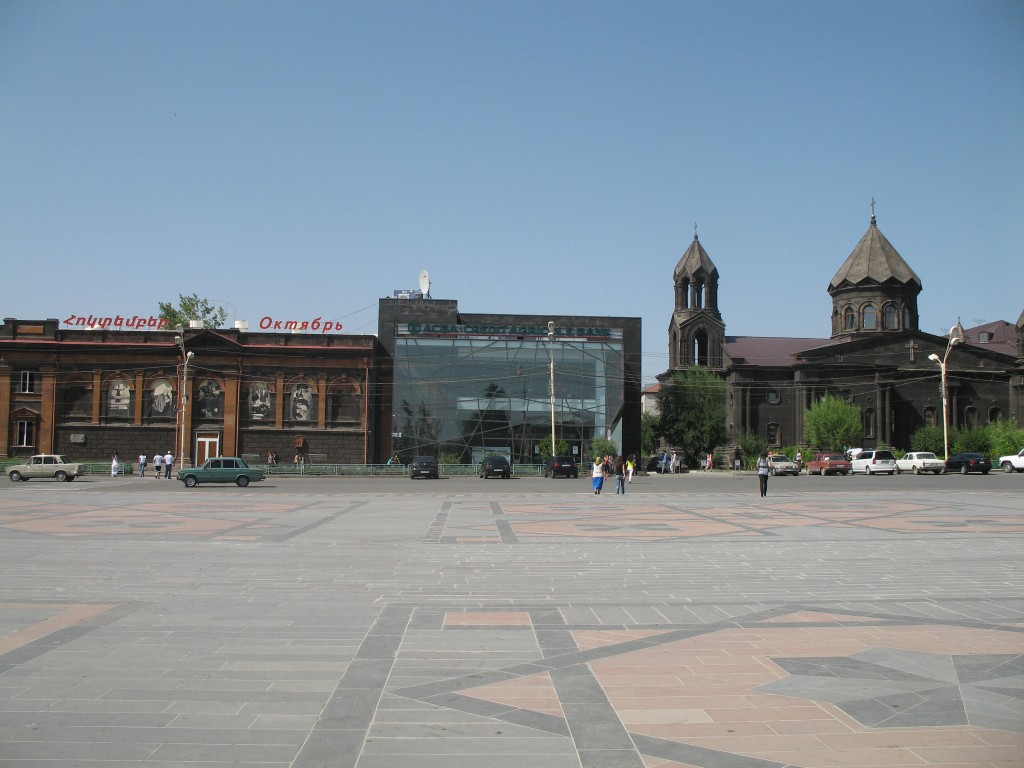
Gyumri is the second largest city in Armenia. It has always been famous with its unique cultural and social colouring which has influenced city’s architectural specificities as well. Gyumri’s central square, as the main squares anywhere, expresses plainly the society’s current culture and social-economical situation. In case of Gyumri this picture is even more diverse since the central square represents architectural layers from all the historical periods through which the city has passed through with its corresponding architectural language. And even more; this square is a unique agglomeration of both profane and sacred architecture. Its social function ranges from all kind of secular activities-culture, trade, leisure, administration until religion and spirituality.
Whilst this is the historically developed situation which is believed to be direct expression of social preferences and values as well as economical demands, still we think that further studies of the urban, social and architectural context of the square might reveal its hidden functional problems.
The questions that the research addresses
Through our research we will try to build up the current picture of the square’s social, cultural and economical character and analyze to what extent it is beneficial to the city’s life, needs and development perspectives. The question to which the project strives to answer are;
- How might society self-identify and integrate itself into the constantly changing environment?
- Do we need to preserve the historic fabric in the face of what sometimes appear to be inexorable urban processes?
- If so, why, and what needs to be preserved?
The last two questions are the most controversial ones. On the one side stands the modern city, with its diverse needs to support a modern way of life; on the other, the city as heritage, embodying the collective values of past periods. Both issues are important and it is very hard to find the optimal solutions for both cases.
Methods to be used
Hystorical inquiry: This includes brief research on the squares historical formation. The key point in this part of the research is to understand the historical social-economical reasons of emergence of each of the buildings on the square and its transformation from a religious square into a place of mainly social profane activities.
Social inquiry: In this part of the research we will hold series of talks and interviews with local people and planning authorities who are in charge of the construction projects on the square. Through these talks we will try to understand the authorities’ reasoning of the employed strategy of the square’s modification and the people’s feelings of the square and its environment.
Space syntax: The analytical tools and methodologies that inform this research will be constructed on the methods of configurational analysis[1] of urban networks developed by the Space Syntax Laboratory[2]; mainly axial map analysis and visual graph analysis will be used. The analysis examines the topological and geometrical properties of the street grid in relation to social and cultural behaviour in the urban environment. The results of the present study will be obtained from computer-based analysis using Depthmap[3] software and will be represented as the series of maps.
Drawing on all analyses and findings it will be argued that not only are the historic buildings and heritage of the town are very vulnerable to new regeneration policies, but the underlying grid structure itself also needs to be preserved. Hence, the maintenance of the fundamental structure of the town, which makes all towns behave in a town-like way, is the primary condition for the revitalisation policies of the towns.
Target audience
Results of the research will be distributed mainly in 3 formats; as final recommendations to the local authorities (if the research will show any problems), articles to be published in Luys website and in www.reark.org , presentation for professionals, general community and other stakeholders. The presentation will be followed by a discussion and question-answer session.
Mentees
Each part of the research will be carried out by one of Luys architecture students according to their field of specialization (Yeva Sargsyan-History and theory of architecture, Lusine Tarkhanyan-Space syntax, Artyom Meliqyan-urban planning). Each of us will need one or two mentees who would possess skills or be interested to strengthen their skills in journalism and social inquiry, archival and historical research and analysis, CAD projecting. All students are required to have good computer skills, one of them is required to possess strong skills in CAD (AutoCAD) projecting with desire to learn new urban analysis technologies (Space syntax). We will appreciate greatly if Luys would assist us in finding the mentees.
This is a Luys students’ joint project in collaboration with University College London, Jill Dando Institute of crime Science, ReArk Architectural Environment Research Center
[1]Configuration- the relations that consider other relations; Hillier, B; Hanson; J;1984; Social Logic of Space
[2]Space Syntax – is the architectural theory, developed by Hillier and Hanson at the Bartlett School of Architecture, in the beginning of 1970s. As a fundamental principle it considers the notion of architecture as a configuration which embodies the built form and society.
[3]Depthmap Software – program by Alasdair Turner, version 8.14.00c, UCL
Գյումրու կենտրոնական հրապարակը տասնամյակների ընթացքում ձևավորված հանրային, քաղաքաշինական և ճարտարապետական գոյացություն է: Այն ներկայացնում է Գյումրու պատության բոլոր անցյալ և ներկա շերտերը: Ճարտարապետությունը, որն այդ պատմության հիմնական, բայց ոչ միակ ներկայացուցիչն է, պատմում է շատ ավելինի մասին, քան միայն ճարտարապետությունն է: Այն խոսում է հասարակության հավատլիքների, արժեքների, կենցաղի, առօրյայի, անցյալի մեկնաբանման, ներկայի ընթացքի և ապագայի տեսլականների մասին: Այս հետազության միջոցով մենք կփորձենք կարդալ Գյումրու չխոսված պատմությունը հրապարակի ճարտրապետության միջոցով, ինչպես նաև քաղաքաշինական ֆունկցիոնալության անալիզի մեթոդ հանդիսացող Space Syntax կոչվող տեսության միջոցով կփորձենք հասկանալ հրապարակի ներկա գործառույթներն ու նպատակահարմարությունն այդ գործառույթներին:
Նախագիծը նախատեսվում է իրականացնել 2011 թ. Օգոստոսին:
Սա Լույս հիմնադրամի ուսանողներ Եվա Սարգսյանի, Լուսինե Թարխանյանի և Արտյոմ Մելիքյանի համատեղ նախաձեռնությունն է` ՌեԱրկ ճարտարապետական Միջավայրի Ուսումնասիրության կենտրոնի հետ համատեղ: