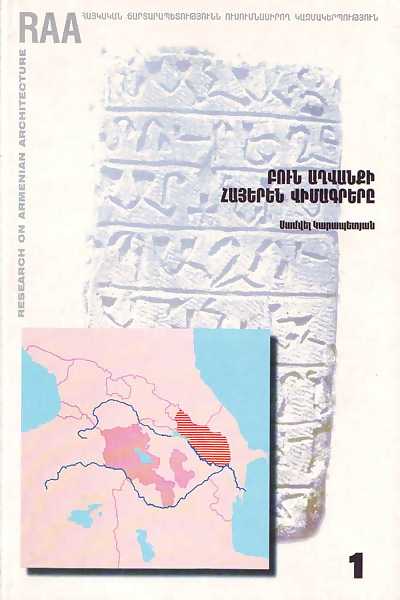
Armenian lapidary inscriptions of Boon-Aghvank [in Armenian]
June 6, 2011
![Armenian lapidary inscriptions of Boon-Aghvank [in Armenian]](https://reark.org/wp-content/uploads/2011/06/raa1-383x574.jpg "Armenian lapidary inscriptions of Boon-Aghvank [in Armenian]")
Armenian Lapidary Inscriptions of Boon Aghvank
Բուն Աղվանքի հայերեն վիմագրությունները
The first volume in the extraordinary project that is the ‘Research on Armenian Architecture’ (RAA) is a slim encyclopedic account dedicated to the lapidary inscriptions of the historic Aghvank (Caucasian Albania) region, which is currently within the borders of the Republic of Azerbaijan.
Despite the title, the volume’s author, architectural historian Samvel Karapetyan, has in fact compiled a unique archival source about the villages and settlements which were populated by Armenians up until the 1988 conflict over the Karabagh region. Information is included about the population, history and significant architectural remains that pertain to the Armenian presence in the Aghvank region. Naturally, due to their historical (and political) importance, inscriptions of any kind are given prominence. The significance of Karapetyan’s book is that it combines detailed archival research material containing an incredible list of primary resources – from historic accounts to rare photographs and drawings, together with lucid and precise analysis.
The role of the Armenian population in the Avghank region is complex and is one that has undergone tumultuous changes. Today it is practically forgotten and remains outside of the general public interest in either Armenia or Azerbaijan. Yet the numerous attempts by a number of Azerbaijani officials and ‘academics’ to manipulate and use the history and culture of the Albanian people for political ends (such as, subscribing all remnants of Christian culture on the territory of Azerbaijan, Artsakh and even Armenia to the Albanian culture) has gained a strong impetus. Most notably, a recent petition by Azerbaijan to UNESCO, protested the inclusion of the art of ‘Khatchkars’ (Armenian cross-stones) in the codex of non-material values of humanity on the basis that the Khachkar was not unique to Armenians but was also practiced by the Albanian people.
Such utter myths and falsifications are laid bare thanks to Karapetyan’s research. The book outlines each part of the region with a brief historical note and a description of its architectural and archaeological remains. A transcript of an inscription (found either on the churches, khachkars or gravestones) accompanies the text, along with a photographic illustration provided in the appendix. This documentation is today especially invaluable considering that most of the Armenian monuments and inscriptions in the historic Albanian region have been systematically destroyed, particularly after 1988. Karapetyan’s approach in this volume, as well as in the others of the series is very straightforward. Eschewing assumptions and hypothesis, he lets the facts speak for themselves.
The book was ready for publication in 1987 and its materials had been collected between 1982-86 during numerous field trips made by the author and other researchers into the region. However, it was only published ten years later when a sponsor was found. Its importance today both as a historical/architectural/ethnographical study and a political document is enormous and will become an invaluable resource for anyone interested in the history and culture of the Caucasus region.
Published by ‘Gitutyun’ publishing house of the Armenian Academy of Scienes, Yerevan, 1997. 132 pages
Ճարտարապետության հետազոտող Սամվել Կարապետյանը 1982-86 թվերին բազմաթիվ դաշտային հետազոտությունների ընթացքում մեծ քանակի նյութ է հավաքել Բուն Աղվանքի հայկական բնակատեղիների վերաբերյալ որոնք միայն լույս տեսան 1997 թվին: Այս հրատարակությունը առաջինն է Հայկական Ճարտարապետության Ուսումնասիրող Կազմակերպության սկսած շարքում: Այսօր այն ունի ոչ միայն հսկայական պատմական արժեք, հաշվի առնելով այն փաստը որ հուշարձանների և վիմագրերի մեծ մասը ոչնչացվել են վերջին քսան տարիների ընթացքում Ադրբեջանական պետության կողմից: Գրքի նշանակությունը նաև քաղաքական է, քանզի ներկա դրությամբ Աղվանքի պատմությունը կեղծվում է Ադրբեջանական կողմից զուտ քաղաքական և նացիոնալիստական սկզբունքների հիմնման վրա: Այդ կարգի միֆերը սպառվում են ի դեմս Կարապետյանի ներկայացրաց խոսուն փաստերի, որոնք հեղինակը ներկայացնում է առանց ավելորդ մեկնաբանությունների և հիպոթեզների: